
Table of Contents
- Define Your Personal Health Goals and Product Purpose
- How to Choose Wellness Products That Match Your Needs
- Evaluate Ingredients and Product Composition
- Wellness Product Safety: What You Need to Know
- Evidence-Based Wellness Products: How to Assess Clinical Support
- Best Wellness Products for Stress Relief: Practical Options
- Compare Features, Quality, and Long-Term Value
- Make Your Final Selection and Evaluate Results
- Frequently Asked Questions
Last Updated: October 12, 2026
Define Your Personal Health Goals and Product Purpose
The global health and wellness products market is valued at USD 8.4 billion in 2026 and is forecast to grow at a compound annual growth rate of 8.2% to USD 18.5 billion by 2036, according to Future Market Insights' global health and wellness market analysis.
At Loop Te Loop, we've helped thousands of customers navigate this landscape by starting with the most important step: wellness product selection that aligns with what success actually looks like for them.
Start by asking yourself: What specific health outcome am I targeting? Are you seeking stress relief, better sleep, improved digestion, enhanced focus, or something else entirely? The answer determines everything downstream.
Write down your primary goal and your secondary goals. Be specific. "Feel better" is too vague. "Reduce my cortisol levels and sleep through the night without waking at 3 AM" is actionable.
How to Choose Wellness Products That Match Your Needs
Effective wellness product selection requires matching three factors: your health goals, your lifestyle constraints, and your body's unique needs. Most people skip this alignment step and buy based on marketing or price, then wonder why the product doesn't deliver results.
Assess Your Daily Routine and Lifestyle
Your daily routine determines whether a wellness product will actually integrate into your life or sit unused on a shelf.
Map your typical day. When do you have time? What's your environment like? Are you home-based or frequently traveling? Do you have access to water, electricity, or refrigeration? These practical questions matter more than you'd think.
Consider frequency and consistency. Research from McKinsey's Future of Wellness trends survey shows that distinct consumer segments drive demand across six wellness dimensions, with adherence being a critical factor in product success.
If you're a frequent commuter or traveler, durability and portability become non-negotiable. The Electrolyte Recovery Plus Powder at Loop Te Loop ($41.59) suits mobile lifestyles because it's lightweight, mixes easily with water, and requires no preparation beyond stirring.

Identify Specific Health Outcomes You Want
Health outcomes are measurable. Not "feel healthier" but "reduce afternoon energy crashes" or "fall asleep within 15 minutes instead of 45." Specificity matters because it lets you track whether a product is actually working.
Some outcomes are short-term and immediate: stress relief, better focus, improved digestion. Others are long-term: sustained energy, clearer skin, better sleep architecture. Understand which you're after. A product delivering immediate relief may not support long-term health, and vice versa.
Think about markers you can actually track. Sleep quality, energy levels, stress perception, skin clarity, digestion regularity, these are measurable.
Evaluate Ingredients and Product Composition
The ingredients in a wellness product determine its efficacy and safety profile. This is where marketing claims meet actual biochemistry.
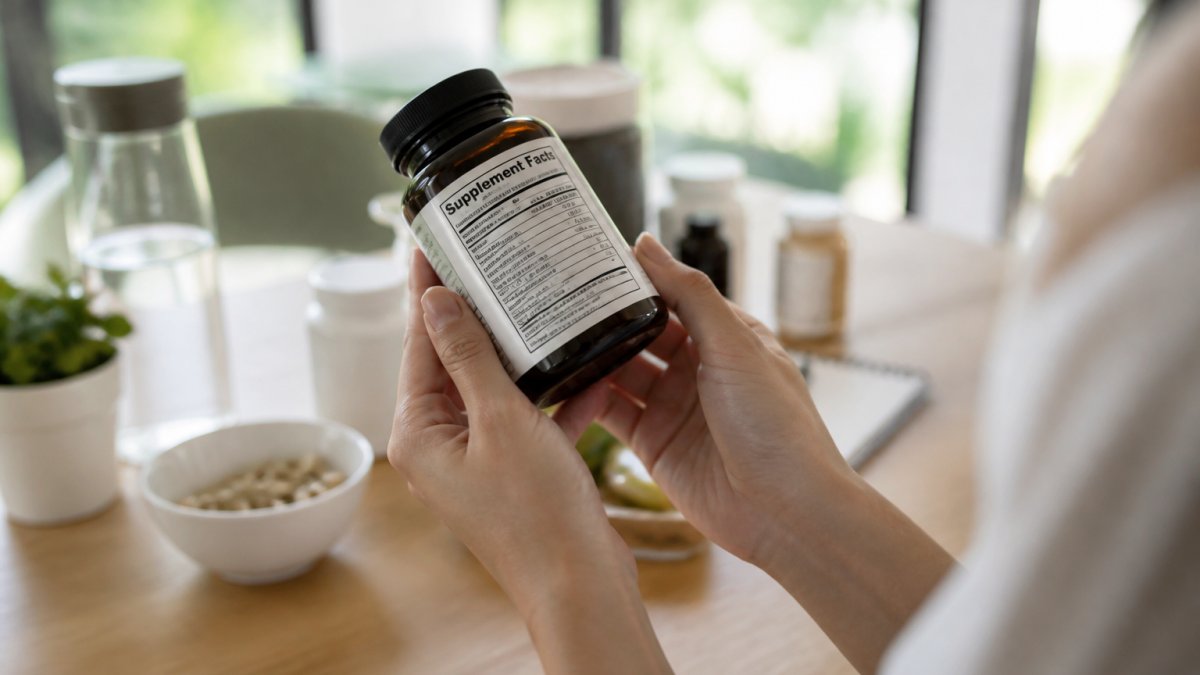
Start by researching the active ingredients. What are they? How much of each is in the product? Are the amounts clinically meaningful?
Look for third-party ingredient verification. The Organic Mushroom Complex Supplement Capsules at Loop Te Loop ($25.47) uses quadruple-extracted mushroom blend delivering 12,000mg power, the extraction method and dosage are specified, which signals quality.

Check for fillers, binders, and additives. Some are necessary for product stability; others are unnecessary.
Cross-reference ingredients against your health status. Do you have any sensitivities or allergies? Some ingredients interact with medications. Some amplify effects you don't want.
Wellness Product Safety: What You Need to Know
Safety isn't a feature; it's a prerequisite. A product that delivers results but causes side effects is worse than no product at all. Yet most people evaluate safety last, if at all.
Start with the basics: Has this product been tested? What's the safety profile? Are there known side effects? For prescription medications, this is regulated. For supplements and wellness products, the burden falls on you.
Check for Contraindications and Medication Interactions
Contraindications are conditions that make a product unsafe for you specifically. Medication interactions occur when a wellness product interferes with prescriptions you're taking. Both matter, and both are often overlooked.
Before introducing any new wellness product, cross-check it against your current medications and health conditions. This isn't optional if you're on any prescription medication. Some supplements amplify blood thinners. Others interfere with antidepressants or blood pressure medications.
The 4-in-1 Red Light Therapy Wand & Activating Serum Kit at Loop Te Loop ($184.28) explicitly notes contraindications: it's not recommended during pregnancy, for individuals under 18, those with active skin cancer, or those with seizure or photosensitivity conditions.

If you're unsure, consult your doctor or pharmacist. It takes 10 minutes and could prevent serious complications. This is especially important if you're taking multiple medications or managing a chronic condition.
Verify Certifications and Independent Testing
Certifications and independent testing provide third-party validation. They're not perfect, but they're far better than marketing claims alone.
Look for: FDA clearance (for medical devices), NSF certification (for supplements), USP verification (for purity and potency), or third-party lab testing results.
The Red Light Therapy Wand is FDA-cleared, which means it's undergone safety and efficacy testing specific to its intended use. That matters.
For supplements, look for NSF Certified for Sport or USP Verified marks. These indicate the product contains what the label says it contains, in the amounts specified, without harmful contaminants.
Organic Mushroom Complex Supplement Capsules →
Evidence-Based Wellness Products: How to Assess Clinical Support
Not all wellness products have clinical evidence behind them. Some do. The difference is substantial.
Evidence-based doesn't mean perfect. It means someone has run a study, measured outcomes, and published results. The quality of that evidence varies wildly.
Learn to grade evidence. Randomized controlled trials are stronger than observational studies. Multiple studies are stronger than one. Recent studies are stronger than old ones.
When you see a health claim, ask: Where's the evidence? Is it published in a peer-reviewed journal? How large was the study? How recent?
According to U.S.
Best Wellness Products for Stress Relief: Practical Options
Stress relief is one of the most common wellness goals. It's also where marketing hype peaks and actual efficacy varies most.
Acupressure and massage tools work through mechanical stimulation of pressure points. The Acupressure Mat and Pillow Set at Loop Te Loop ($155.48) uses this principle, lying on it for 10-30 minutes daily naturally reduces muscle tension, back pain, and headaches.
Electrolyte-based recovery drinks address stress from a different angle. The Electrolyte Recovery Plus Powder ($41.59) replenishes minerals lost during stress response and physical exertion.
Mushroom supplements support stress resilience through adaptogenic mechanisms. The Organic Mushroom Complex Supplement Capsules ($25.47) combine six mushroom varieties in a quadruple-extracted formula delivering 12,000mg power per serving.
Topical treatments like the Red Light Therapy Wand ($184.28) work through light-based mechanisms that reduce inflammation and support skin health, which often improves under stress.
Compare Features, Quality, and Long-Term Value
Price alone tells you nothing about value. A $30 product used consistently delivers more benefit than a $300 product gathering dust. Yet quality matters too. A cheap product that breaks after two weeks costs more than a durable option.
Evaluate these factors across your shortlisted products:
| Factor | What to Assess | Why It Matters |
|---|---|---|
| Durability | Materials, warranty, expected lifespan | Low-quality products fail quickly, negating savings |
| Consistency | Batch-to-batch variation, standardization | Inconsistent products deliver unpredictable results |
| Ease of Use | Setup, maintenance, time commitment | Complex products get abandoned regardless of efficacy |
| Price Per Use | Total cost divided by expected usage period | Long-term value matters more than sticker price |
| Guarantees | Money-back guarantee, warranty coverage | Recourse if the product underperforms |
| Accessibility | Availability, shipping, return options | If you can't easily reorder, consistency suffers |
Loop Te Loop offers competitive pricing with frequent sales across our curated selection of wellness products.
Compare not just price but total cost of ownership. A supplement requiring two capsules daily at $25.47 per bottle lasts about 30 days. That's roughly $0.85 per day. Is that expensive or cheap depends on efficacy. If it delivers measurable results, it's a bargain.
Make Your Final Selection and Evaluate Results
You've defined your goals, assessed your lifestyle, evaluated ingredients and safety, reviewed evidence, explored options, and compared value. Now you choose.
Pick one product to start with. Not three. One. This lets you isolate variables and see what actually works for you.
Did you achieve the outcome? Partially? Not at all? Use this feedback to refine your approach.
Track your results. Simple metrics work: energy levels on a 1-10 scale, sleep quality, stress perception, physical symptoms.
Remember that wellness is personal. A product that transforms someone else's health might not move the needle for you, and that's fine.
Frequently Asked Questions
How do I choose the right wellness products for my specific needs?
Start by defining your health goals, whether stress relief, immunity support, or recovery. Match those goals to product purpose by reviewing ingredients and clinical evidence. Assess your daily routine to ensure the product fits your lifestyle. Check for safety concerns and medication interactions before purchasing. Compare options across quality, price, and long-term value. Loop Te Loop's curated selection includes products like the Organic Mushroom Complex Supplement Capsules ($25.47) for immunity and focus, and the Acupressure Mat and Pillow Set ($155.48) for stress relief and pain reduction, both designed for daily wellness routines.
What should I look for when evaluating evidence-based wellness products?
Look for products backed by clinical studies, not just marketing claims. Check whether the manufacturer cites peer-reviewed research or third-party testing. Verify that ingredient dosages match those used in efficacy studies. Review independent certifications and regulatory approvals. The 4-in-1 Red Light Therapy Wand & Activating Serum Kit ($184.28) is FDA-cleared and combines four science-backed technologies, red light therapy at 630nm with 14 LEDs to boost collagen production, galvanic current, therapeutic warmth, and facial massage vibration. Always ask: Is there published evidence? Who conducted the research? Are dosages transparent?
Are wellness products safe to use every day, and when should I consult a health care professional?
Most daily-use wellness products are safe when used as directed, but check for contraindications, medication interactions, and ingredient sensitivities first. Consult a health care professional before starting any product if you are pregnant, nursing, taking medications, have active health conditions, or have known allergies. The Electrolyte Recovery Plus Powder ($41.59) is caffeine-free and suitable for all ages and diets, but individual tolerance varies. Always read labels carefully and stop use if discomfort occurs. When in doubt, ask your doctor before adding a new wellness product to your routine.
How can I avoid misleading wellness product claims?
Be skeptical of vague language like 'boosts immunity' or 'detoxifies' without specific mechanisms or evidence. Look for products that cite clinical studies, ingredient dosages, and realistic health outcomes. Verify certifications from recognized bodies and check for independent third-party testing. Avoid products making disease claims (e.g., 'cures arthritis') rather than supporting wellness. Compare user testimonials with clinical data, personal stories alone don't prove efficacy. Loop Te Loop features products with transparent ingredient lists and clear usage instructions, helping you make informed choices based on facts, not hype.
What wellness products work best for stress relief?
Stress relief products span multiple categories: supplements like mushroom complexes support nervous system function; acupressure mats and massage tools promote relaxation through physical stimulation; hydration products like electrolyte powders support recovery. The Acupressure Mat and Pillow Set ($155.48) naturally reduces muscle tension and stress through daily 10-30 minute sessions. The Organic Mushroom Complex Supplement Capsules ($25.47) deliver 12,000mg of quadruple-extracted mushrooms for focus and vitality. Choose based on your preference: passive relaxation (mats, massage), supplemental support (capsules, powders), or combined approaches for best results.
How do I compare wellness product ingredients and determine quality?
Compare products by listing all active ingredients and their dosages side by side. Check whether ingredients are standardized extracts, whole-food sources, or synthetic. Look for third-party testing certifications (NSF, USP, ConsumerLab). Verify that ingredient quantities match those used in published efficacy studies. Consider sourcing, organic, sustainably harvested ingredients often indicate higher quality. The Electrolyte Recovery Plus Powder includes six key electrolytes (magnesium, potassium, calcium) plus 12 additional vitamins, sweetened with organic stevia extract and free from artificial colors and sweeteners. Compare similar products' ingredient lists and certifications to identify the best value for your needs.
Should I prioritize price or product quality when selecting wellness products?
Quality and price both matter, but they don't always correlate. A higher price may reflect better ingredients, clinical testing, or durability, not just branding. Calculate total cost of ownership: a durable acupressure mat used daily for years offers better value than a cheaper alternative that breaks quickly. Compare price per serving for supplements or cost per use for tools. Loop Te Loop's Acupressure Mat and Pillow Set ($155.48) and 4-in-1 Red Light Therapy Wand ($184.28) represent mid-to-premium investments with evidence-backed features and durability. Balance upfront cost against long-term results and reliability to find genuine value.


